

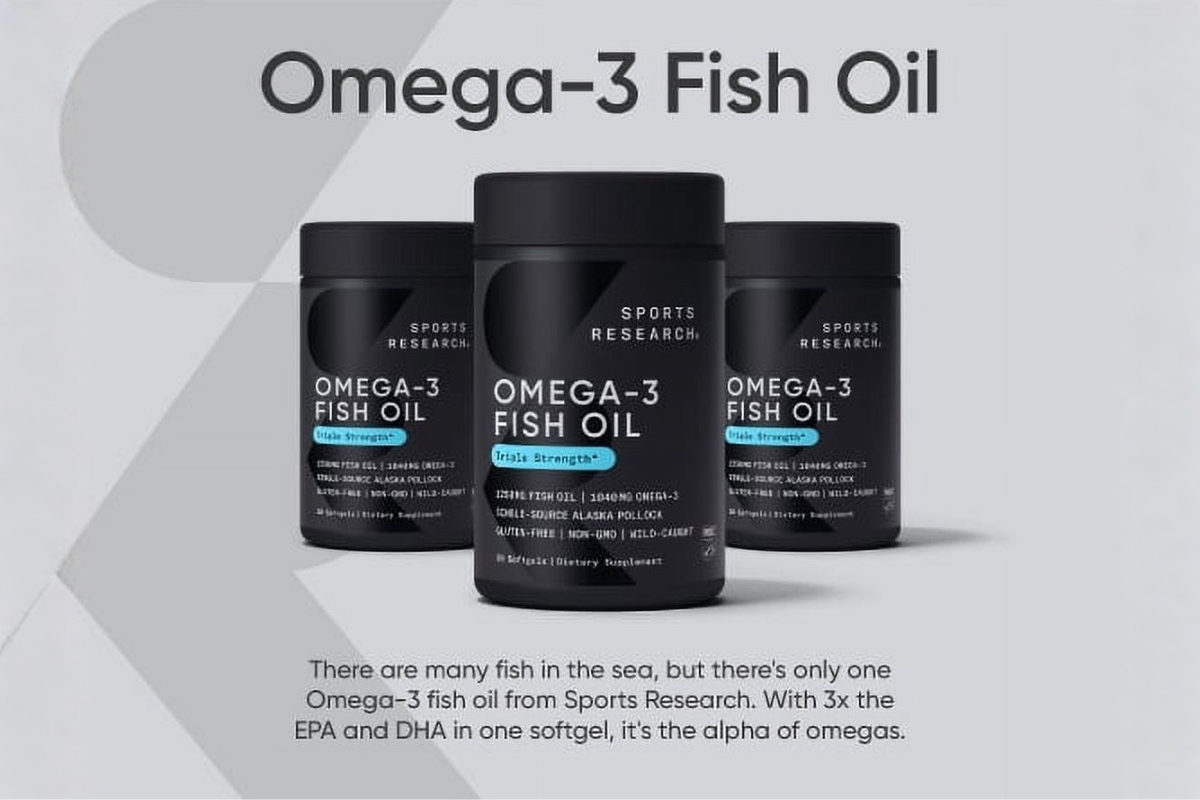
Omega-3 fatty acids are no longer just a wellness trend—they’re a foundational nutrient backed by decades of research. From heart health to brain performance, omega-3 plays a critical role in how the body functions, yet most people still don’t get enough. Modern diets are overloaded with omega-6 fats and lacking in foods with omega 3, creating an imbalance that affects long-term health.
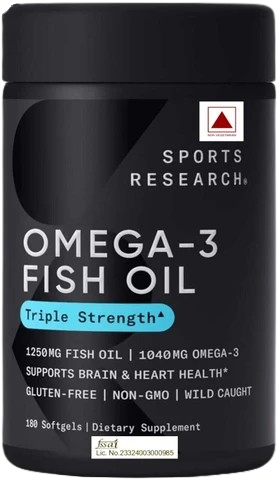
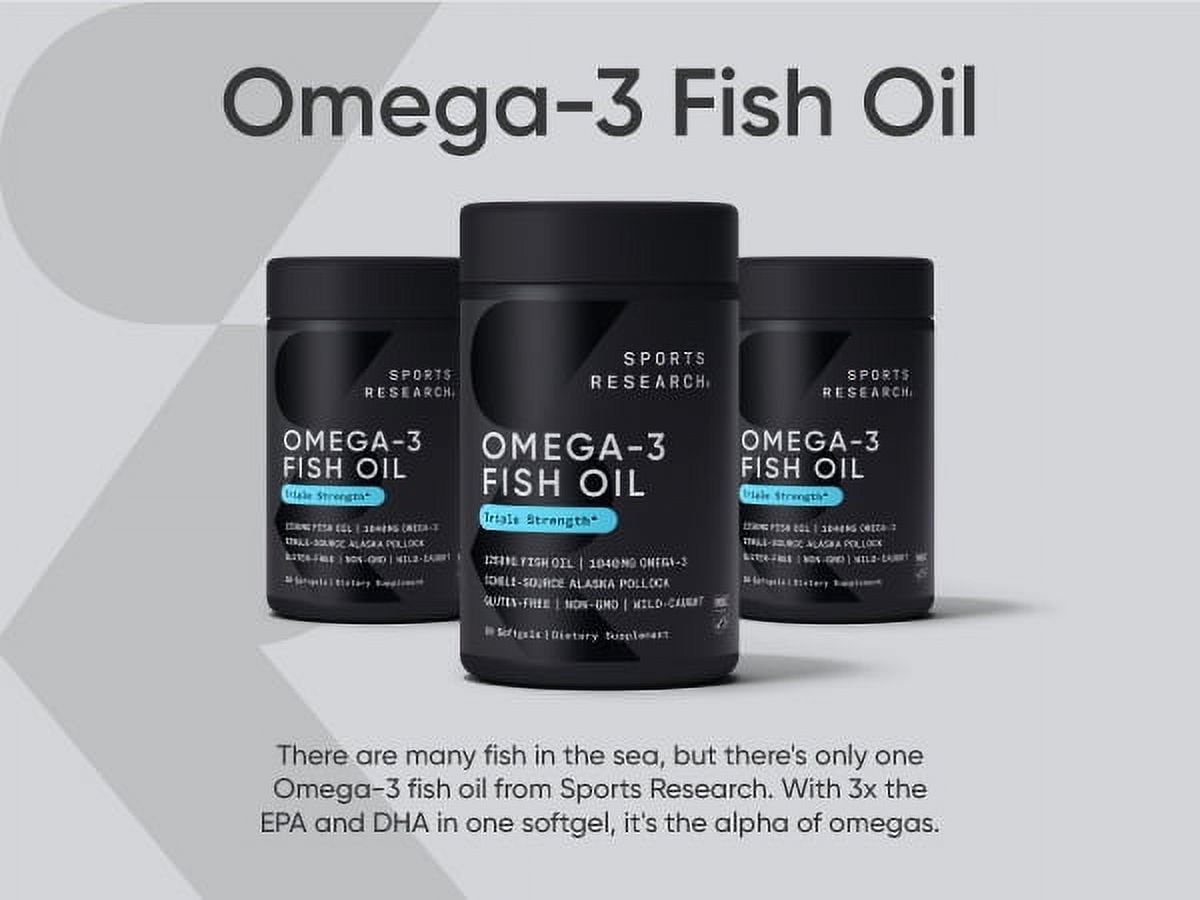
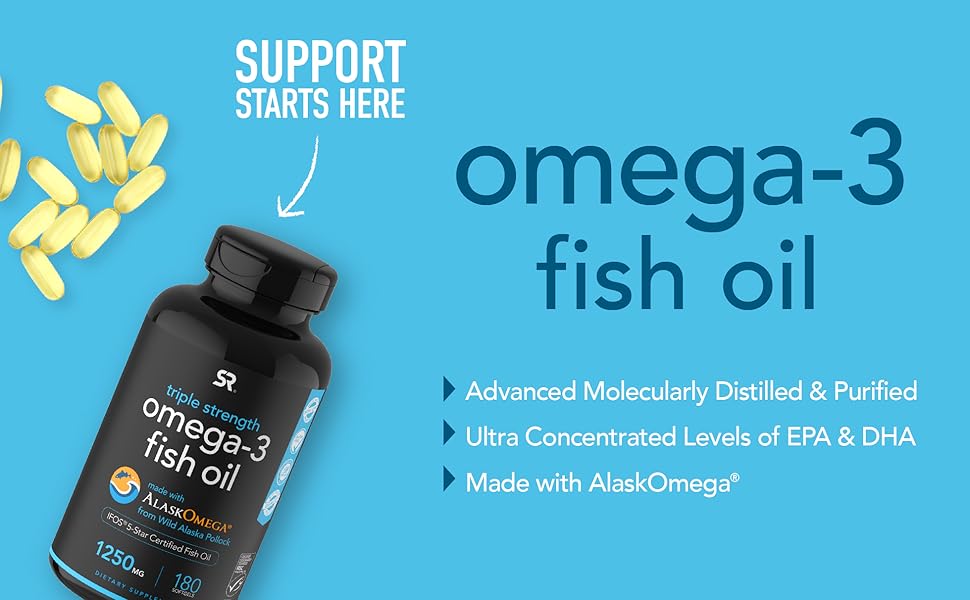
This is where premium fish oil supplements like Sports Research Omega-3 Fish Oil make a measurable difference. With triple-strength potency and superior purity, it delivers highly absorbable omega-3s without the fishy aftertaste or fillers common in low-quality products.
In this guide, we’ll explore the 7 ultimate benefits of omega-3, explain why Sports Research stands out among omega 3 fish oil supplements, and help you understand how to use omega-3 strategically for optimal health, performance, and longevity.
1. What Is Omega-3 and Why It Matters
Omega-3 is a group of essential fatty acids your body cannot produce on its own. You must obtain them through diet or supplementation.
The Three Main Types of fish oil
- EPA (Eicosapentaenoic Acid) – Supports heart health and inflammation control
- DHA (Docosahexaenoic Acid) – Essential for brain, eye, and nervous system function
- ALA (Alpha-Linolenic Acid) – Found in plant sources but poorly converted to EPA/DHA
While salmon omega 3 and other fatty fish provide EPA and DHA naturally, most people fall short—making supplementation crucial.
2. Why Choose Sports Research Fish Oil?
Not all omega 3 fish oil supplements are created equal.
What Makes It Different?
- Triple Strength Formula for maximum EPA & DHA per serving
- IFOS Certified for purity and potency
- Wild-caught fish from sustainable sources
- Non-GMO and hexane-free processing
Compared to krill oil supplements or standard fish oil products, Sports Research delivers a higher omega-3 concentration with fewer capsules.

3. 7 Ultimate Benefits of Fish Oil
1. Supports Heart Health and Cholesterol Balance
One of the most studied benefits of omega for cholesterol is its ability to support healthy triglyceride levels.
How Omega Helps the Heart
- Supports normal blood pressure
- Helps maintain healthy HDL (good cholesterol)
- Reduces triglyceride levels
- Supports arterial flexibility
Regular use of ultimate omega fish oil is associated with long-term cardiovascular resilience.
2. Enhances Brain Function and Mental Clarity
Your brain is nearly 60% fat—and DHA is a major building block.
Cognitive Benefits of Omega
- Improves memory and focus
- Supports long-term brain health
- May help manage age-related cognitive decline
Whether from salmon omega or supplements, omega is essential for mental performance.
3. Reduces Inflammation and Joint Discomfort
Chronic inflammation is a root cause of many modern health issues.
Omega as an Anti-Inflammatory Ally
- Supports joint flexibility
- Helps reduce stiffness
- Beneficial for athletes and active individuals
This is why fish oil supplements are popular among people with physically demanding lifestyles.
4. Supports Eye Health and Vision
DHA is a structural component of the retina.
Vision Benefits
- Helps maintain visual sharpness
- Supports eye hydration
- Reduces digital eye strain
Omega intake is especially important for people who spend long hours on screens.
5. Boosts Athletic Performance and Recovery
Sports Research Omega is formulated with athletes in mind.
Performance Advantages
- Supports muscle recovery
- Helps reduce exercise-induced inflammation
- Aids joint resilience under stress
Compared to basic omega fish, high-potency supplements deliver consistent dosing for training demands.
6. Promotes Healthy Skin and Hair
Omega supports cellular hydration and elasticity.
Skin & Hair Benefits
- Helps maintain skin moisture
- Supports scalp health
- May reduce dryness and irritation
These benefits go beyond what you get from foods with omega alone.
7. Supports Overall Longevity and Wellness
Omega contributes to systemic balance across the body.
Long-Term Wellness Impact
- Supports immune response
- Helps regulate inflammation
- Promotes metabolic health
Daily supplementation with Sports Research Omega Fish Oil supports whole-body optimization.
4. Omega-3 Sources: Food vs Supplements
| Source | Omega-3 Content | Bioavailability | Practicality |
|---|---|---|---|
| Fatty Fish (Salmon) | High | High | Requires frequent consumption |
| Flax & Chia Seeds | ALA Only | Low Conversion | Limited EPA/DHA |
| Krill Oil Supplements | Moderate | High | Lower dosage |
| Sports Research Omega-3 | Very High | Very High | Most efficient |
5. Pro Tips for Taking Omega Effectively
- Take with meals containing fat for better absorption
- Store capsules in a cool, dark place
- Be consistent—omega works cumulatively
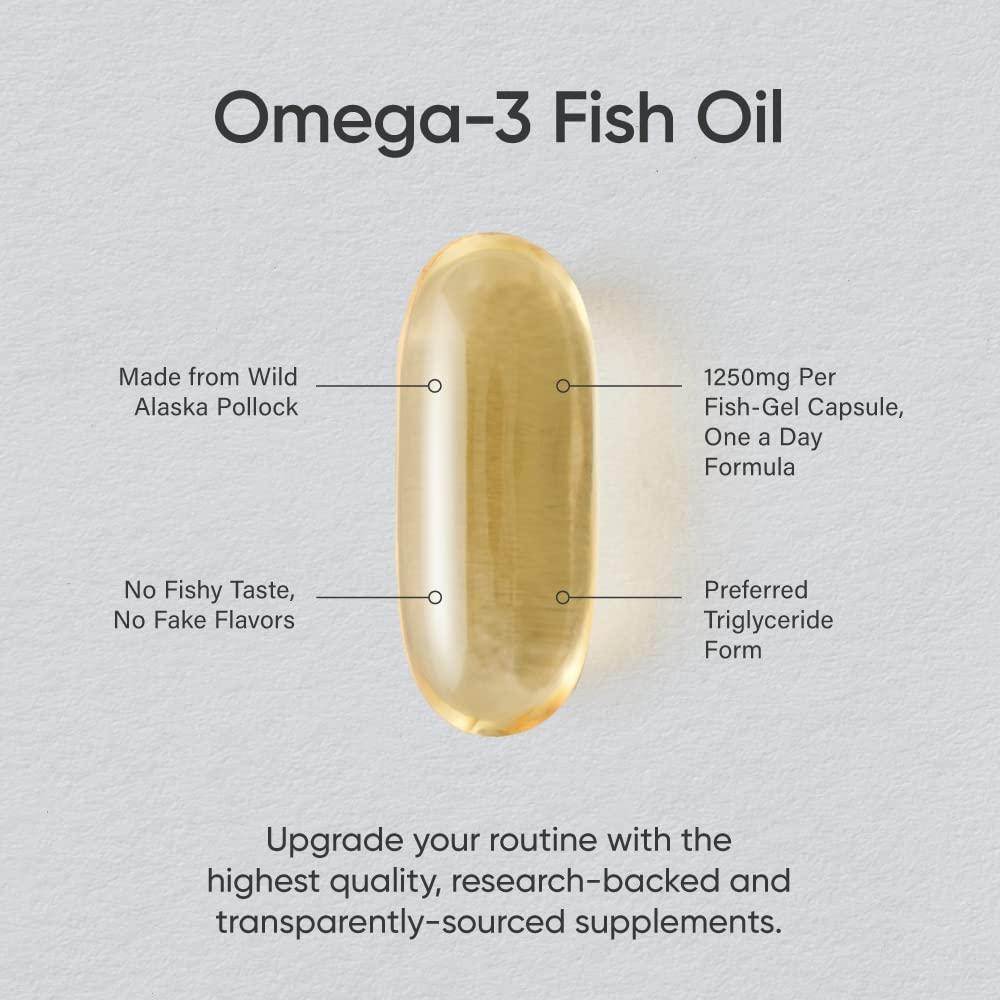
- Choose triglyceride-form fish oil for better uptake
6. Common Myths About Omega
Myth: All fish oil supplements are the same
Truth: Purity, dosage, and sourcing vary significantly
Myth: You get enough omega from diet alone
Truth: Most diets lack sufficient EPA and DHA
Myth: Krill oil is always better
Truth: Krill oil has benefits, but lower omega concentration
7. Price & Value Breakdown Table (India Market)
You can insert this under “Why Choose Sports Research Omega Fish Oil?”
Sports Research Omega Fish Oil – Price Overview
| Package Detail | Cost |
|---|---|
| Total Price | ₹3,053.64 |
| Price per Serving | ₹33.93 / serving |
| Strength | Triple Strength Omega-3 |
| EPA + DHA Content | High Potency |
| Certifications | IFOS, Non-GMO |
| Value Rating | ⭐⭐⭐⭐⭐ |
8. Frequently Asked Questions (FAQs)
1. What is omega used for?
Omega-3 supports heart, brain, joint, eye, and overall health.
2. Is omega fish oil better than krill oil supplements?
Fish oil provides higher EPA/DHA levels per serving.
3. How much omega should I take daily?
Most adults benefit from 1,000–2,000 mg combined EPA/DHA.
4. Can omega help cholesterol?
Yes, omega-3 for cholesterol supports healthy triglyceride levels.
5. Is Sports Research Omega high quality?
Yes, it is IFOS-certified and triple strength.
6. Can I get omega from food alone?
It’s difficult without frequent fatty fish consumption.
7. Does omega help joint pain?
Omega-3 supports inflammation balance and joint comfort.
8. When should I take omega supplements?
With meals, preferably breakfast or dinner.
9. Is omega safe for long-term use?
Yes, when taken as directed.
10. difference between ultimate omega fish oil and regular fish oil?
Ultimate omega fish oil offers higher potency and purity.
9. Conclusion: Why Omega-3 Is a Daily Essential
Omega-3 is one of the most impactful nutrients you can add to your daily routine. From heart health and brain performance to joint comfort and longevity, its benefits are wide-reaching and scientifically supported.
Sports Research Omega-3 Fish Oil delivers a clean, potent, and highly absorbable solution for anyone serious about health optimization.
Take control of your wellness today—add high-quality omega-3 to your daily routine and experience the difference.
While this high-potency supplement is an excellent way to bridge nutritional gaps, understanding the science behind these fatty acids is key to long-term health. To get the most out of your supplementation, it’s helpful to know the fundamental differences between Omega-3 and Fish Oil, as well as which specific sources—marine or plant-based—best suit your lifestyle. Combining premium products like Sports Research with a solid understanding of essential fatty acid benefits ensures you are supporting your heart, brain, and joints effectively.
